Keeping your dog’s teeth clean can be tricky — especially if brushing turns into a battle or simply isn’t possible.
As many dogs don’t like having their mouth touched or handled, it can be hard to see what’s really going on. Sometimes it’s only when their bad breath becomes hard to ignore, or a routine vet check highlights build-up, that dental care becomes a real priority.
That’s why a simple, consistent routine can be so helpful. By combining a daily dental powder and supplements, regular brushing where possible, suitable chews and dental health checks, you can help maintain your dog’s oral hygiene in a way that feels realistic for both of you!
Here’s our simple 4-step dental routine for your dog:
Step 1: Add our NEW Dorwest Dental Powder to their food
A dental powder is one of the simplest ways to support your pet’s dental health – with no need to handle the mouth or introduce a toothbrush, you can simply sprinkle over their food and serve.
Our Dental Powder has been carefully developed as an easy everyday addition for dogs and cats. It contains Ascophyllum nodosum, a brown seaweed commonly used in pet dental supplements, alongside a postbiotic and parsley. Together, these ingredients help support oral hygiene, the oral microbiome and fresher breath every day.
Our Dorwest Dental Powder is simple to use, suitable for everyday routines and can be used alongside brushing, our homeopathic Fragaria 3C, dental chews and regular veterinary checks. It is not a replacement for brushing, but they can be a useful daily step for owners looking for natural support that is easy to keep up with.

Step 2: Use Fragaria 3C
Alongside daily dental support, Fragaria 3C, a bestseller from our homeopathic range, can also be added to their food as part of your dog’s oral hygiene routine.
Fragaria works well to help with plaque build-up on encrusted teeth, especially when used alongside brushing with our Roast Dinner Toothpaste or suitable dental chews. It can also be used alongside our Dental Powder, with both products playing an important role in establishing a consistent dental care routine.
For dogs who already have visible plaque build-up, Fragaria 3C is a simple daily addition that can sit naturally alongside other dental care habits.

Step 3: Brush their teeth as regularly as you can
While daily supplements can be a helpful part of your dog’s routine, brushing remains one of the most effective ways to physically remove food debris and plaque from the teeth.
Ideally, brushing should be done daily, but even brushing a few times a week can be a positive step towards maintaining your dog’s oral health.
The key is to introduce brushing slowly and make it as positive as possible. Start by letting your dog get used to having their mouth touched, then gradually introduce a toothbrush or finger brush with a dog-friendly toothpaste.
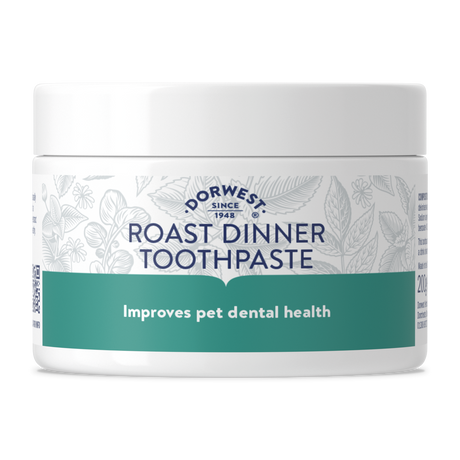
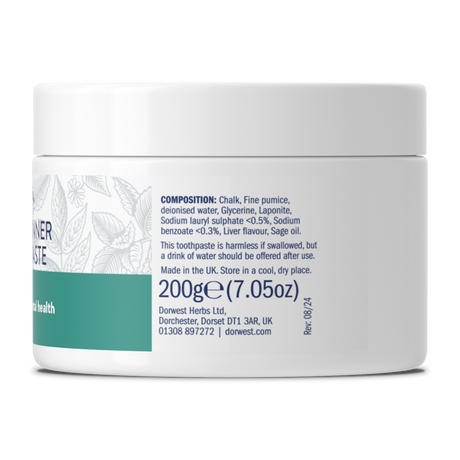
Our Roast Dinner Toothpaste is designed especially for dogs, with a savoury liver flavour to help make brushing more enjoyable. It is low foaming, easy to use and lasts for ages, making it a great addition to your dog’s dental care routine.
Tips for brushing your dog’s teeth
- Start slowly and keep sessions short and fun. Let your dog taste the toothpaste first, then gently brush around the teeth and gumline using small circular motions.
- Always use a toothpaste made for dogs, never human toothpaste, as this can contain ingredients that are not suitable for pets.
- If your dog is unsure at first, don’t worry. Building confidence takes time, and even small steps can help make brushing feel more familiar.
- For more advice, read our guide on How to brush your dog’s teeth.

Step 4: Keep up with dental health checks at the vet
A good dental routine is not just about one product or one habit. It is about combining small, consistent steps that support your dog’s oral hygiene over time.
Suitable dental chews and toys can help encourage natural chewing behaviour, while a balanced diet plays an important role in your dog’s overall health and wellbeing.
It is also a good idea to check your dog’s mouth regularly at home. Look out for changes such as bad breath, red or sensitive-looking gums, visible build-up on the teeth, or changes in eating habits. If you notice anything unusual, speak to your vet for advice. We would always recommend regular veterinary dental checks, as some dental concerns can be difficult to spot at home.
Your simple 4-step dental routine
To help make dental care feel easier and more achievable, here’s a simple routine we recommend building into your dog’s everyday care.
Daily: Add Dental Powder to their food.
Daily: Give Fragaria 3C if it's already part of their oral hygiene routine.
Several times a week: Brush with a dog-friendly toothpaste, such as Roast Dinner Toothpaste.
Ongoing: Offer suitable dental chews, check their mouth regularly and keep up with routine vet checks.
Small, consistent habits can make dental health support feel much more manageable — for both you and your dog.
Frequently Asked Questions
Can I use Dental Powder and Fragaria 3C together?
Yes, Dental Powder and Fragaria 3C can be used alongside each other as part of your dog’s dental routine.
Fragaria works well to help aid the removal of plaque on encrusted teeth, especially when used alongside brushing with our Roast Dinner Toothpaste or dental chews. Whereas our Dental Powder provides an all-in-one approach, helping to support clean teeth, healthy gums, support the oral microbiome and fresh breath.
Is Dental Powder a replacement for brushing?
Dental Powder is not a replacement for brushing, but it can be a helpful part of your dog’s daily oral hygiene routine.
Brushing remains one of the most effective ways to physically remove food debris and plaque from the teeth. As part of a consistent routine, we recommend using Dental Powder alongside brushing, Fragaria 3C, suitable dental chews and regular dental checks.
What is Ascophyllum nodosum?
Ascophyllum nodosum is a brown seaweed commonly used in pet dental supplements. In our Dental Powder, it is included as part of a natural daily formula to help support oral hygiene. See our research-focused blog post if you are interested in the clinical studies
How often should I brush my dog’s teeth?
Daily brushing is ideal, but we know this isn’t always realistic for every dog or every owner. Brushing a few times a week can still be a useful step in helping to maintain your dog’s oral hygiene. If your dog is new to brushing, we recommend starting slowly and building up gradually.
Dental care is an important part of your dog’s everyday wellbeing, and the best routine is one you can keep up with consistently. Whether you’re starting a new dental routine or looking for an easier way to support your dog’s daily oral care, our natural dental range is here to help.
If you’d like to learn more, our friendly team of product experts are always happy to help you find the right dental routine for your dog.