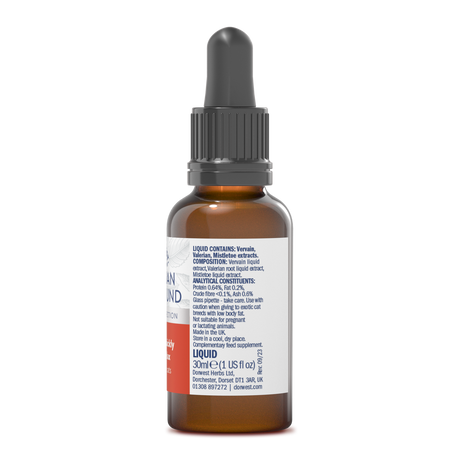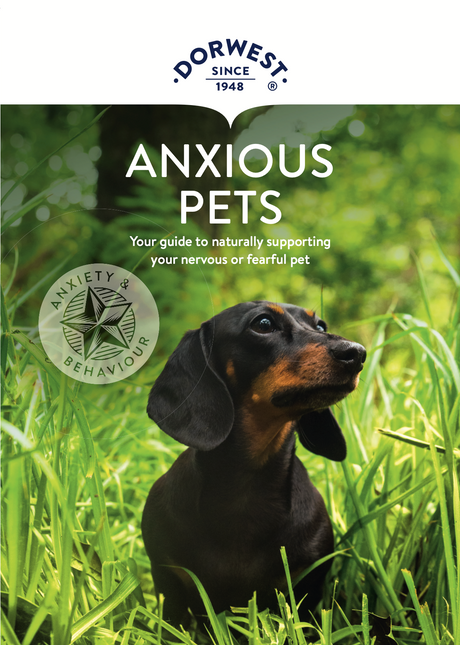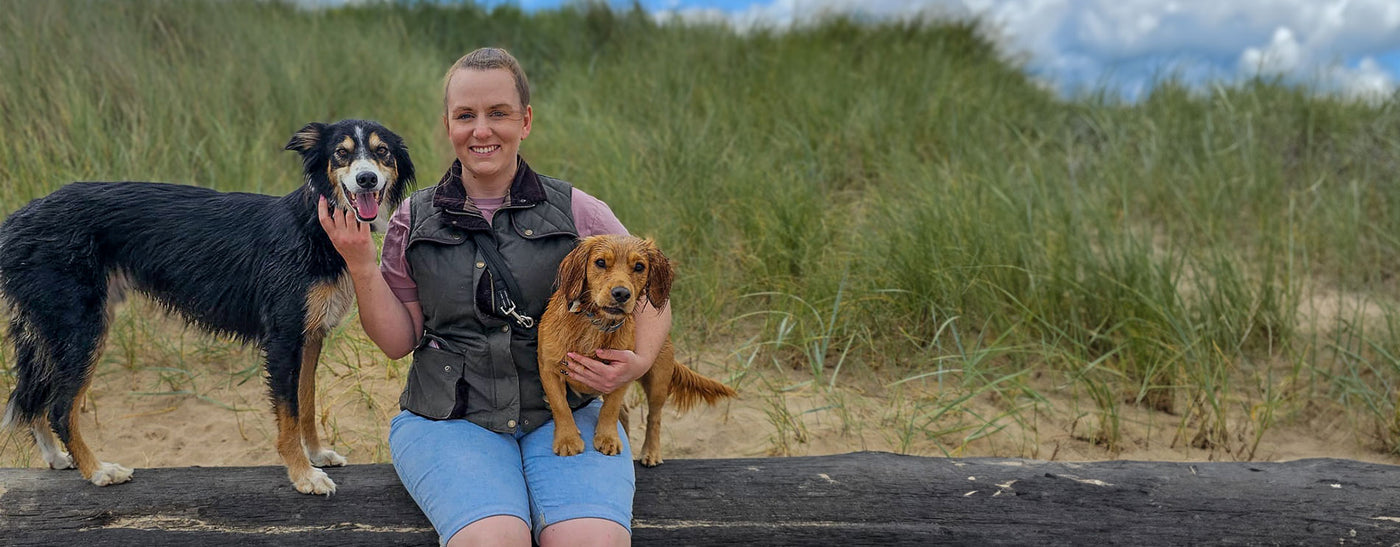

DTC certified Professional Dog Trainer, Amy Taylor from Paws Up dog training shares her top tips to help your dog cope better with the summer anxiety.
Practical tips for a happier, more confident dog
Summer can be full of lovely things for us — holidays, family visits, road trips, barbecues and days out. But for some dogs, all that change can feel a bit much.
New places, unfamiliar people, busier homes and disrupted routines can quickly leave dogs feeling unsettled. And while it can be tempting to hope they’ll “get used to it”, anxious dogs often need a little more time, understanding and support.
At Paws Up Dog Training, we believe the best way to help an anxious dog is through kind, reward-based behavioural training, thoughtful management and, where appropriate, extra support such as Dorwest's Scullcap & Valerian Tablets. It’s not about finding a quick fix. It’s about helping your dog feel safe enough to learn, cope and grow in confidence.
What summer situations commonly trigger anxiety in dogs?
Summer often means a change in routine, and many dogs feel safest when they know what to expect. Even small changes to their day can be enough to make them feel unsettled.
Common summer triggers include:
- Visitors coming to the house
- Garden parties and barbecues
- Children being home during the school holidays
- Holidays and overnight stays away from home
- Long car journeys
- Busy beaches, towns and tourist attractions
- Staying with family or friends
- Different walking times because of hot weather
Visitors at home can be especially difficult. From a dog’s point of view, there may be unfamiliar people arriving, extra noise, doors opening and closing, children running around, and far more going on than usual. That can be a lot to process.
The early signs that a dog is struggling are often very subtle, so they can easily be missed until the dog starts barking, hiding, jumping up or reacting more obviously.
Rest is another big one. Dogs need plenty of good-quality sleep, often around 16-18 hours a day. When summer plans make the house busier or routines less predictable, dogs may get far less rest than they need — and an overtired dog will usually find everything harder to cope with.

What are the signs your dog is anxious or overwhelmed?
Dogs usually tell us they’re uncomfortable before they reach the point of reacting. The more we notice those early signs, the easier it is to step in and help.
Signs your dog may be feeling anxious include:
- Panting when they're not hot
- Lip licking
- Yawning
- A tense body posture
- Ears pinned back
- Tail tucked or held low
- Hiding or trying to leave
- Clinginess or seeking constant reassurance
- Refusing treats or food they would normally enjoy
- Constantly scanning what’s going on around them
These behaviours are sometimes dismissed as a dog being tired, stubborn or dramatic. But often, they’re simply your dog’s way of saying: “I’m finding this difficult.”
How can owners help their dog cope with new places?
One of the biggest mistakes owners can make is assuming their dog should simply “get used to it”. Instead, give your dog time to experience new environments at their own pace.
Let them sniff, watch and take everything in. Try not to encourage or push them towards people, other dogs or busy areas if they’re showing signs of uncertainty. Confidence isn’t built by overwhelming a dog. It’s built through positive experiences where they feel safe, supported and able to make choices.
It’s also worth asking yourself an honest question: Does my dog actually need to come?
If your dog finds busy cafés, festivals or crowded tourist spots really stressful, they may be much happier staying at home with a trusted pet sitter or family member. Sometimes the kindest option is recognising that an outing might be more enjoyable for us than it is for them.
Top tips for long car journeys with anxious dogs
If your dog dislikes travelling, preparation needs to start well before the day of your trip.
Rather than waiting until the night before you go, spend several days or weeks helping your dog build a more positive association with the car.
A simple progression might look like:
- Reward calm behaviour around the parked car.
- Reward your dog for choosing to get into the car.
- Spend time sitting in the car with the engine off.
- Introduce the engine running without driving anywhere.
- Begin with very short journeys.
- Gradually increase journey length as your dog remains relaxed.
Keep sessions short, reward calm behaviour generously and move at your dog’s pace. If they’re struggling, take a step back rather than pushing on.
For longer journeys, remember to:
- Schedule regular breaks for water and toileting.
- Travel during cooler parts of the day.
- Ensure your dog is safely secured.
- Avoid travelling straight after a large meal.
If your dog’s travel anxiety is severe, working with a qualified reward-based behaviour professional before your trip can make a real difference.
Supporting dogs around visitors, busy towns and crowded places
Management is one of the most helpful behaviour tools we have.
If visitors are coming to your home, create a quiet space where your dog can retreat and be left alone. This might be another room, a crate they’ve been positively introduced to, or a comfortable bed behind a baby gate.
Calming enrichment can also help some dogs settle. Licking, chewing and sniffing activities naturally encourage relaxation and can help bring arousal levels down.
That said, if your dog is too anxious to take food or engage with enrichment, they’re probably already over their coping threshold. At that point, keeping them in the situation is unlikely to help. Moving them away from the stress is often the kinder option.
The same applies to busy towns, markets or outdoor events. If your dog is struggling, it’s okay to leave. There is no training benefit in repeatedly exposing a dog to situations they cannot cope with.
What should owners avoid?
When our dogs are anxious, it’s natural to want to help. The problem is that some well-meaning advice can actually make things harder for them.
Avoid:
- Forcing your dog into situations they’re frightened of.
- Punishing fearful or reactive behaviour.
- Expecting them to “just get over it”.
- Flooding them with overwhelming experiences in the hope they’ll adapt.
One common myth is that comforting or reassuring your dog will reinforce fear. Thankfully, that isn’t how emotions work.
Fear is an emotional response, not a behaviour your dog is choosing. Offering calm reassurance, speaking gently or allowing your dog to seek comfort from you will not make them more fearful. In many cases, knowing you are a safe person can help them recover more quickly.
The aim should always be to help dogs feel safe enough to learn, not simply to stop them showing how they feel.
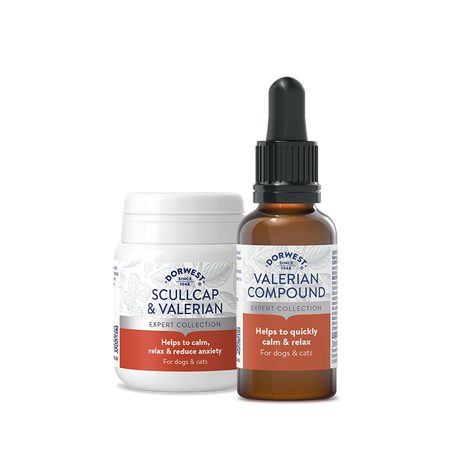
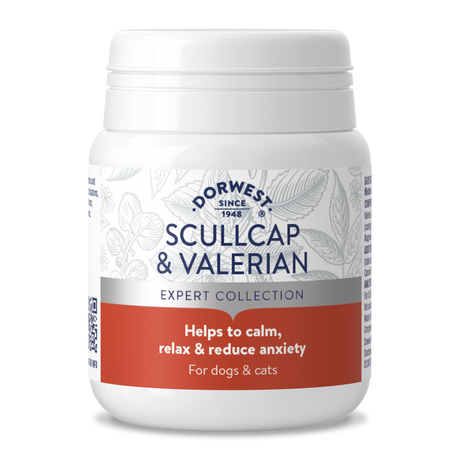
How can Scullcap & Valerian Tablets support behavioural training?
Behaviour modification should always be the foundation of helping an anxious dog. But some dogs may benefit from a little extra support while they’re learning new coping strategies. This is where Scullcap & Valerian Tablets may be helpful.
I often recommend Scullcap & Valerian Tablets to my clients, as it helps naturally relax pets by supporting the calming pathways within the nervous system. They’re designed to reduce anxiety without making pets drowsy or wobbly, so dogs can stay calm while still being alert and able to learn.
The tablets contain a blend of active herbal ingredients, the two main being:
- Scullcap contains valuable compounds, including those which bind to the GABA receptor and help reduce anxiety.
- Valerian helps support the natural pathways within the nervous system, without affecting the muscles.
Used alongside consistent behavioural work, Scullcap & Valerian Tablets can help bring anxiety down to a more manageable level. This can make it easier for dogs to stay calm enough to listen, learn and build more positive associations over time.

Just remember, every dog is different. What feels like an exciting summer adventure to one dog may feel completely overwhelming to another.
By recognising the early signs of anxiety, respecting your dog’s emotional limits and focusing on reward-based training, you can help them build confidence without compromising their welfare.
For dogs who need some extra support, combining behavioural work with natural support such as Scullcap & Valerian Tablets can be a helpful part of a wider approach, helping your dog feel calmer while they learn that the world can be a safe place to explore.
Because the goal isn’t just to get dogs through summer. It’s to help them enjoy it too.
If you would like any further advice from Amy, you can contact her via her website or follow her on Instagram at @dogtraineramyt.