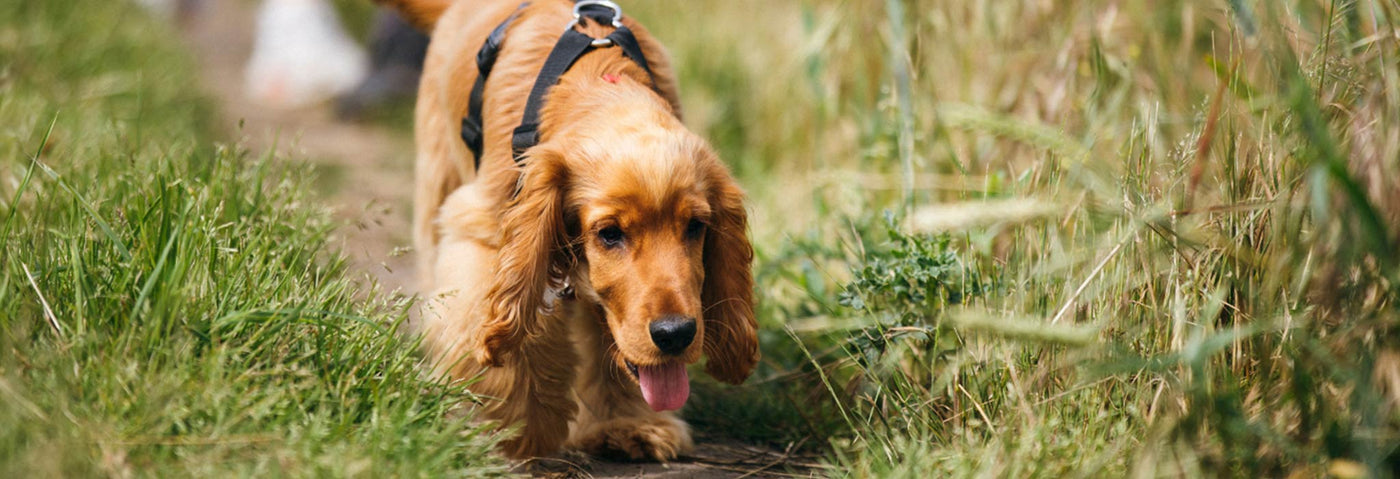
Taking your dog for a stroll can be a quick break from a boring day at work, time to explore the great outdoors, or simply a chance to bond with our pets. But sometimes they aren’t too keen to leave the sofa, or may even suddenly sit down and refuse to walk!
Rest assured, we’re on hand to help explain a bit more about why it might be happening and what you can do to get them moving forward again. Read on for some potential reasons and top tips to help the situation.
Most common reasons why your dog refuses to walk
There are many reasons your dog might suddenly sit down and refuse to walk any further on your regular stroll. We’ve collated a list of the most common reasons why it might be happening below:
Health issues or injury
One of the reasons your dog might refuse to walk is because they're not feeling well. This could be something minor like a cracked paw, split nail, upset tummy, or a leg strain from yesterday's activities. However, if your dog's behaviour changes dramatically – such as losing interest in walks and food or appearing weak and tired – it's always best to consult your vet for a thorough health check.
Senior dogs
As dogs get older, their movement naturally slows down and they might develop stiff joints or arthritis, making walks more uncomfortable. Senior dogs often benefit from shorter, gentler walks and may need extra support to stay mobile. This is where our MoveWellia® Tablets can help. Designed for dogs experiencing joint issues, MoveWellia® offers advanced care to maintain comfort and mobility. Its expert formulation includes Boswellia, with 90% boswellic acids, which supports natural anti-inflammatory pathways in the body – ideal for dogs prone to inflammatory joint conditions.
Find out some more top tips on how to care for an older dog >
Rainy weather
Whilst many dogs love being outside no matter what, others might give you a "Really?" look when it's raining. For these weather-sensitive pups, consider doggy coats or jumpers to keep them comfortable. On the flip side, when it's hot out, dogs can feel just as lazy as we do. They might prefer lounging in a cool spot to walking around the block. It's important to listen to your dog and not overexert them in hot weather, as their fur coats (no matter how thick!) make it harder for them to regulate their temperature.
Comfy bed
Sometimes, your dog might just be too comfortable to move. If they're snuggled up in their favourite spot, the prospect of a walk might not seem so appealing. You might get a look that says, "Do we have to?" Just like us on a lazy Sunday afternoon.

Boredom
Dogs can get bored with the same old routine. If you're always walking the same route or at the same location, your dog might just be losing interest. Try mixing things up with a new walk, different environments (from park, beach, fields or woodland) and try adding game, training and treats to your walks to keep them fun. If your stuck for ideas, try reaching out to other local dog walkers or try any local enclosed dog parks.
Anxiety or fear
Some dogs might be anxious about walking because of bad past experiences or fears of certain things (like loud noises or other dogs). In these cases, slowly helping them get used to these things and using lots of positive reinforcement can build their confidence. For extra support, try our Scullcap & Valerian Tablets to naturally reduce your dog’s stress and anxiety, without causing drowsiness. The blend of herbs supports your dog's natural calming pathways, helping with various anxieties from noise phobias to separation issues. Used daily, they can help your dog feel more relaxed and open to enjoying walks again. Perfect for anxious pups who need a little extra help to face the world!
Want to know why dogs hate fireworks? Find out the most common reasons why in our useful blog.
Energy levels
Different dog breeds have different energy needs. Some dogs have naturally high energy levels, who need lots of exercise and stimulation, while others prefer shorter, calmer activities. Knowing what's normal for your dog's breed (and for your individual dog) can help you plan walks that suit them.
Mood swings
Yes, dogs have moods too! Just like us, they can have their off days. Maybe they're sulking because you didn't share your sandwich earlier, or they're just feeling a bit grumpy. If your usually enthusiastic walker suddenly seems uninterested, they might just be having a moment. Hormonal changes in female dogs can also play a big role in their mood and willingness to walk. They might be less keen to go out if they’re coming into season. It’s important to be patient and try and encourage them out at different points during the day.
What to do when your dog refuses to move on a walk
First step - check for any noticeable medical problems! Do they seem to be in pain, uncomfortable, have stiff movement, or are they panting excessively? Do a quick body check, paying particular attention to joints, paws, and skin. Look to see if you can spot:
- Injuries
- Rashes
- Pricks or thorns
- Swelling, particularly around the joints
If you spot anything concerning, check in with your local vet to rule out any health problems and get specific advice, particularly if your pet has a sudden and consistent change of behaviour. If that all seems fine, it's then about getting them motivated to move with the following tips:
- Keep an eye on the weather: Perhaps something as simple as waiting for the rain to stop will help keep your dog happier whilst out on the walk. Shorter breeds can be reluctant to take a trip outside during heavy rain storms! Dachshunds are notoriously adverse, with their low-to-ground build they don't enjoy going out in bad weather. Snowy and wet conditions can mean wading through cold puddles or waist-high snow, making the experience very uncomfortable for them.
- Change up your walking routes: Keeping routes fresh, avoiding repetitive walks help mentally stimulate and excite your pooch. Taking the same route every day can become monotonous! Why not explore other parks or plan a bigger adventure in a local forest? Check out Forestry England for some great ideas. Let’s aim to reignite your dog's love for outdoor adventures.
- Add fun activities during walks: You can buddy up on walks and arrange to meet up with friends or dog walking groups. Why not try and incorporate fetch or hide-and-seek with their favourite treat, or even practice training. Fun activities and other dogs to play with can transform a boring stroll into an exciting adventure, which helps create a positive association with being active again.
- Use treats and praise to make walking more enjoyable: Why not try rewarding your pooch with treats and lots of encouragement when out walking. Through extra praise and a few delicious rewards you reinforce happy associations with the activity. Start with high-value treats, the ones they love most, whether that's a small piece of chicken or cheese to help motivate them at the start, gradually reducing treats as they begin to find their love for going out again.
- Adjust your walks to match your dog's energy levels and physical abilities: Not every dog has the energy for long and exhausting walks. Puppies, senior dogs, and smaller dog breeds will have different walking requirements. Be sure to tailor walk duration, terrain, and speed to suit your dog. For an anxious puppy or senior dog, you might try shorter, slower outings close to home. But for an energetic adult Cockapoo, try longer and more challenging expeditions.
Be patient on their "off" days - tomorrow might be better! Just like humans, dogs have good days and bad days. Some days they're simply not in the mood for a walk. If they are feeling under the weather or having a particularly anxious day, don't force it and risk a negative association. Try a short stroll instead, or even consider skipping a day, after all, there is always tomorrow!

Dog joint supplement for walking: Natural everyday joint support
If your dog is reluctant to walk due to stiffness or joint discomfort, adding natural joint support supplements to their diet can make a real difference, keeping your dog moving easily, especially as they get older. Find out how to naturally support for your senior dog's joint health >
Keeping joints healthy is essential for maintaining an active exercise routine, especially as dogs age or if they're naturally prone to joint issues. Our JointWell® and MoveWellia® Tablets are made to support healthy joints and mobility in dogs of all ages, breeds and lifestyles.


JointWell® - Great for everyday joint care. Contains a unique blend of natural active ingredients to help maintain long-term joint health. Promotes a healthy joint environment, supporting suppleness and flexibility for free and comfortable movement.
MoveWellia® - Advanced joint care for dogs experiencing joint health challenges, including stiffness and slowing up. Expertly formulated with vets to deliver powerful joint support to maintain comfort and mobility.
By supporting your dog's joint health, you can support their active lifestyles and help keep them comfortable and eager to join you on outings for years to come.
Advice from Dorwest
Remember, every dog is different, and it might take some time to figure out why your dog isn't keen on walking. By paying attention to your dog's needs and giving them the right support, you can help make sure walks stay an enjoyable activity for both of you – even if some days that "walk" is just a quick trip around the garden!
If the worst is ever to happen whilst out on a walk, be sure to check out our blog on what to do in the first 24 hours after your dog goes missing on a walk.
Common questions (FAQ):
My dog won’t walk at night
If you walk your dog at night during the autumn and winter months, it's probably going to be pretty dark outside, and some pooches really aren't crazy about going outside in the dark. It's normally down to anxiety or fear and is actually quite common, more so for young pups. But as they grow, dogs generally become more comfortable with the different sights, noises and sounds of nighttime.There are lots of methods to help with nighttime strolls and get your doggy moving - bring out the treats and offer constant reassurance to make it fun. Use a torch and stick to well-lit areas until they are fully comfortable. If your dog gets easily spooked in the dark try combine the suggestions above with our Dorwest Scullcap and Valerian tablets for designed especially for anxious dogs.
My dog doesn’t want to outside in the morning
Does your dog happily go on afternoon and evening walks but refuses to go outside in the morning?
Many dogs, especially young puppies, aren't too keen on morning walkies. Young puppies love nothing more than sleep, some adult dogs naturally peak later in the day, and some senior dogs' joints might feel stiff or achy first thing in the morning. So when it comes to exercise, it's important they're getting enough at other times during the day. A longer afternoon stroll or more outside playtime in the garden can make up for an aborted morning walk - if that's the case, then don't worry too much. If you do need them out and about in the mornings, focus on positive reinforcement with treats and lots of praise.
Help! My dog doesn't want to walk with me
Do you feel a bit singled out? Your dog seems happy to walk with other members of the family, but not with you. Don't be disheartened - it's not personal and can happen for many different reasons. Normally it's down to something very simple, like perhaps your partner takes the treats along or goes on more adventurous routes. Why not try to make your excursions super fun? Reward good behaviour with treats, take the time to heap them with praise, and try out some new locations.
Why doesn't my puppy want to walk?
There is a high chance your young puppy might suddenly refuse to walk and just sit down. This is 100% normal! At such a young age, puppies have a strong desire to stay close to home and feel a bit anxious in unfamiliar places.
You also need to be mindful that they can get tired very quickly, so make sure your excursions are appropriate for their little bodies. Walking on a lead may also take some getting used to, so trying the lead in the garden and slowly increasing the distance on the lead will definitely help!
Why does my dog stop walking and want to go back?
If your dog has stopped mid-trot and decided it’s time to go home, it’s normally a sign that something on your excursion made them unhappy. The reasons can be quite varied, so you’ll need to follow a process of elimination.
Firstly, check their joints, paws, and body to make sure everything is working okay. If you notice any problems, be sure to speak to a local vet. If all seems fine, consider these other reasons: did a loud noise scare them? Or they seemed anxious? Did it start to rain? Or did they seem tired and jump straight onto the sofa at home?
Why does my dog suddenly stop walking and sit down?
Is your dog suddenly having a sit-down mid-stroll, and it’s tough to get them moving again? They may simply be soaking in their surroundings, or they are completely exhausted, or potentially in pain.
Firstly, check for any injuries or excessive panting. If they seem quite well, and quite content, it might be time for a day off to allow them to build up their energy again. Try a different, shorter walk next time you’re out and see if the issue recurs.
Feel free to call us on 01308 897 272 or email us at advice@dorwest.com, if you have any questions about your pet! Plus, keep an eye out on our Instagram, TikTok & YouTube channel for more advice.